Liner Notes
The Year That Was: 1991
Alternative Breaks Out
by Benjamin Ray
In the 1980s, rock had become forgotten as a viable means of change. Pop acts like Madonna, Prince and Michael Jackson dominated the charts, surrounded by a slew of one-hit pop wonders and cheesy hair-metal bands. Occasionally, a talented band would break out -- Metallica, R.E.M., Guns 'n' Roses -- but by and large meaningful rock struggled to become popular again.
Then 1991 hit, and things were back to how they should have been, at least for a little while.
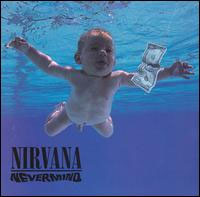
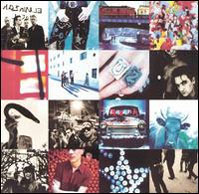
Famously, 1991 was when Nirvana's Nevermind was released, knocking Michael Jackson off the charts in 1992 and effectively beginning the mainstream alternative revolution. More than any other, that album and Pearl Jam's monumental Ten were both critical and commercial successes and became soundtracks for the then-undefined generation. 1991 also saw Soundgarden release the grunge/heavy metal blend Badmotorfinger and U2 came roaring back to life with Achtung Baby, a radical reinvention of the band's sound.
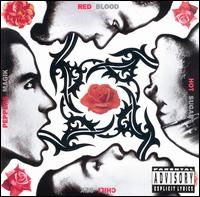
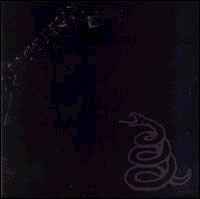
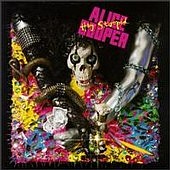
The Red Hot Chili Peppers' landmark Blood Sugar Sex Magik album established their stardom with "Under the Bridge" and "Give It Away," while Alice Cooper released the mediocre Hey Stoopid and Metallica, after five years of waiting, put out their self-titled "black album." Metallica turned out to be that band's most successful and accessible release, cutting down the indulgences and speed-freak thrash and adding a dose of heart. Also in 1991, Guns 'n' Roses released the highly-anticipated Use Your Illusion albums, of which one-quarter of the songs were brilliant.
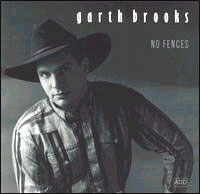
A year and two months after his death, Stevie Ray Vaughan's The Sky Is Crying hit the shelves and quickly went platinum, capping off a brilliant career that ended far too soon. But another career was beginning -- Garth Brooks' second album No Fences was becoming popular and the same year, Ropin' The Wind was released, both blending country with rock and folk and adding a whole new audience to the country genre that would not have cared otherwise. Britpop stars Blur also hit the scene with "She's So High."
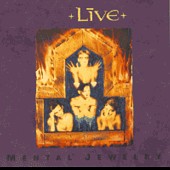
In other alternative rock, R.E.M. released the mediocre Out Of Time, which happened to feature the band's best-known song, "Losing My Religion," and also one of their dumbest, "Shiny Happy People." The Pixies, Fugazi, Toad the Wet Sprocket and Fishbone all had 1991 releases. Standouts included the Smashing Pumpkins' debut Gish, Matthew Sweet's Girlfriend, My Bloody Valentine's Loveless, Massive Attack's Blue Lines and Sebadoh's III. Live kicked off their career with Mental Jewelry, which had no hint of the arena rock success the band would later have.
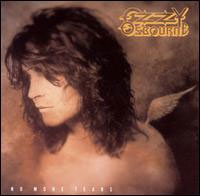
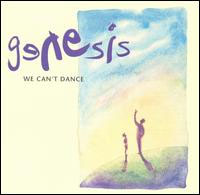
In classic rock, Tom Petty released Into The Great Wide Open and Ozzy put out No More Tears, but the rest of it was pretty bad. Van Halen also released an album, but nobody cared, while Genesis had We Can't Dance and Queen the average Innuendo. Rush tossed off Roll The Bones, which is just another Rush album, David Bowie ground out Black Tie White Noise. Yes released the dreadful Union and the Moody Blues the even worse Keys of the Kingdom. Lenny Kravitz offered Mama Said, which sounds like classic rock even though it isn't and which had a couple of decent songs in "Always on the Run" and "It Ain't Over 'Til It's Over."
1991 also was a pivotal and intelligent year for hip-hop; it was the year Ice Cube left N.W.A. and released the intense Death Certificate, while his old bandmates put out Efil4zaggin. A Tribe Called Quest offered The Low End Theory, De La Soul put out De La Soul is Dead, Cypress Hill dropped its self-titled album and Main Source had Breaking Atoms, which wasn't a big seller but was both influential and launched the career of Nas. Most importantly, though, Tupac Shakur broke through with his political, evocative and energetic debut 2pacalypse Now.
It wouldn't have been the 90s without a few one-hit wonder pop singles; these included EMF's "Unbelievable," Crystal Waters' "Gypsy Woman (She's Homeless)," Jesus Jones' "Right Here, Right Now," Right Said Fred's "I'm Too Sexy" and Seal's "Crazy" (not a one-hit wonder, but a great song). The Spin Doctors also hit it big with Pocket Full of Kryptonite, Siouxsie and the Banshees had a minor hit with "Kiss Them For Me" and Suzanne Vega came out with "Tom's Diner."
And that, friends, is the Year That Was in music.