Liner Notes
The Year That Was: 1982
Thriller Conquers the World as Rock Comes to a Halt
by Benjamin Ray
1982 was the year that the big rock acts of the 1970s came to an end, for a while, and the '80s pop and hair metal scene took over. This is most evident in the immense popularity of Thriller, the best-selling album in the world.
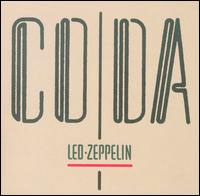
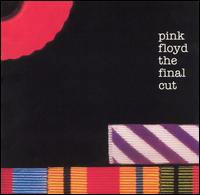
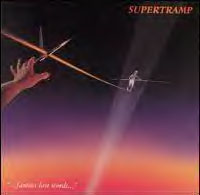
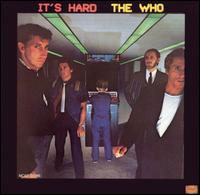
Of course, Michael Jackson's landmark LP spawned seven Top 40 hits (most in the following year), and it arrived during a year that saw final albums by Supertramp, Led Zeppelin, Pink Floyd, The Clash, Blondie and The Who. It was evident the old guard was gone and new wave, glossy fairly disposable pop, hair metal, nascent hip-hop and the underground alternative scene were to be the dominant scenes of the new decade.
Although Zeppelin dissolved in 1980, the short posthumous Coda was their last official release. Pink Floyd also released their last album with Roger Waters, the mundane The Final Cut, while Supertramp cut ...famous last words..., its final record with Rodger Hodgson. The Clash, meanwhile, released Combat Rock and were promptly disowned by punk fans, who could not understand why the former punks would record a pop song "Should I Stay or Should I Go?" The Who also released It's Hard and Blondie cut The Hunter, neither of which were up to the high standards previously set.
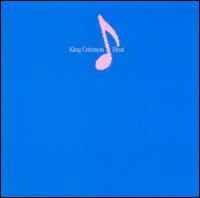
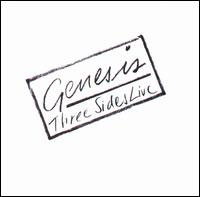
In the progressive rock quarters, King Crimson cut Beat, an inferior rewrite of Discipline, and Genesis released the double-album Three Sides Live, which is their best live album even if most of it is post-Peter Gabriel material. Queen also went disco/pop with Hot Space (featuring the David Bowie collaboration "Under Pressure" and Steve Miller recorded Abracadabra (featuring the incredibly thought-provoking lyrics "Abra abracadabra / I wanna reach out and grab ya"). The Alan Parsons Project also cut their final great album, Eye In The Sky and Rush continued its use of synths on Signals.
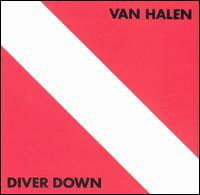
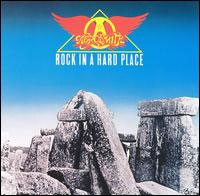
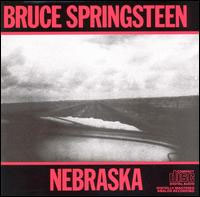
In rock news, Van Halen recorded half a cover album with Diver Down and Aerosmith slipped Rock In A Hard Place under the radar, which turned out to be a good thing. Asia, made up of former prog-rockers, also released their debut in April and scored a big hit. Other good rock songs from the year included George Thorogood's "Bad to the Bone," Golden Earring's "Twilight Zone," Joe Jackson's "Steppin' Out," the Cars' "Shake It Up," Aldo Nova's "Fantasy," and the Scorpions' "No One Like You." Bruce Springsteen recorded his acoustic Nebraska, Dire Straits offered Love Over Gold and Chicago continued its downward slide with Chicago 16. Kiss also tried to come back with Creatures Of The Night, a heavier take on their glam-rock sound, while Crosby, Stills and Nash experienced Daylight Again and the hit "Southern Cross." Judas Priest also offered Screaming for Vengeance and John Mellencamp offered "Jack and Diane."
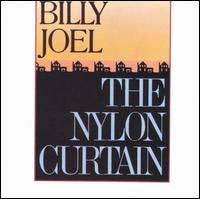
As far as pop acts, Billy Joel came out with The Nylon Curtain, an underrated effort, while Fleetwood Mac tried to revive the spirit of old with Mirage and Don Henley released the smug I Can't Stand Still. Hall & Oates continued their winning chart streak with H20 and "Maneater" while Marvin Gaye released his final great single, "Sexual Healing." Phil Collins offered Hello...I Must Be Going and Steve Winwood's "Valerie" was one of his better (and less overplayed) singles.
Of course, this being the 80s, there were tons of one-hit wonders and goofy disposable pop singles, such as Adam Ant's "Goody Two Shoes," the Dazz Band's "Let It Whip," Thomas Dolby's "She Blinded Me With Science," Toni Basil's "Mickey," Human League's "Don't You Want Me," Soft Cell's "Tainted Love," Survivor's "Eye of the Tiger," Toto's "Africa," Tommy Tutone's "867-5309 (Jenny), the "Chariots of Fire" theme and A Flock of Seagulls' "I Ran (So Far Away)." Paul McCartney also put out the excellent Tug of War, which featured two collaborations with Stevie Wonder ("Ebony and Ivory") and a beautiful, simple elegy for John Lennon in "Here Today." And Hurricane Thriller was right around the corner in the end of the year
Alternative was starting to make its first appearance in 1982, with the Cure's album Pornography and Elvis Costello's Imperial Bedroom making their appearances. The Misfits bashed out Walk Among Us that year and Siouxsie and the Banshees had the fine "Fireworks."
Perhaps the most important cultural album was Grandmaster Flash's The Message, of which the title track is generally referred to as the first real rap song (or at least the first one to effectively say something meaningful). It was the touchstone for the slow rise of hip-hop through the 80s, a movement that would rise in popularity and critical acclaim by the end of the decade.
And that, friends, is the Year That Was in music.